Slab Layout and Vein Matching Before the First Cut
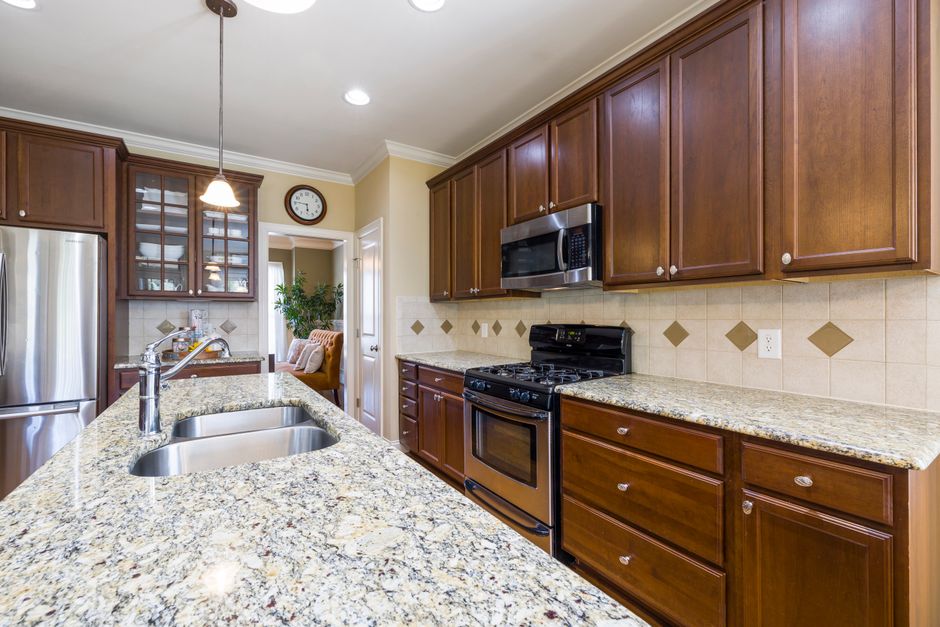
On a kitchen with a long wall and a single island, one slab is almost never enough, and the pattern has to carry from piece to piece as if the stone had never been cut. The layout notes kept at custom countertops austin tx theo lawrence books treat that planning as the real craft, since custom countertops in Austin, TX are judged by how the seams read from across the room.
Looking at the whole slab first
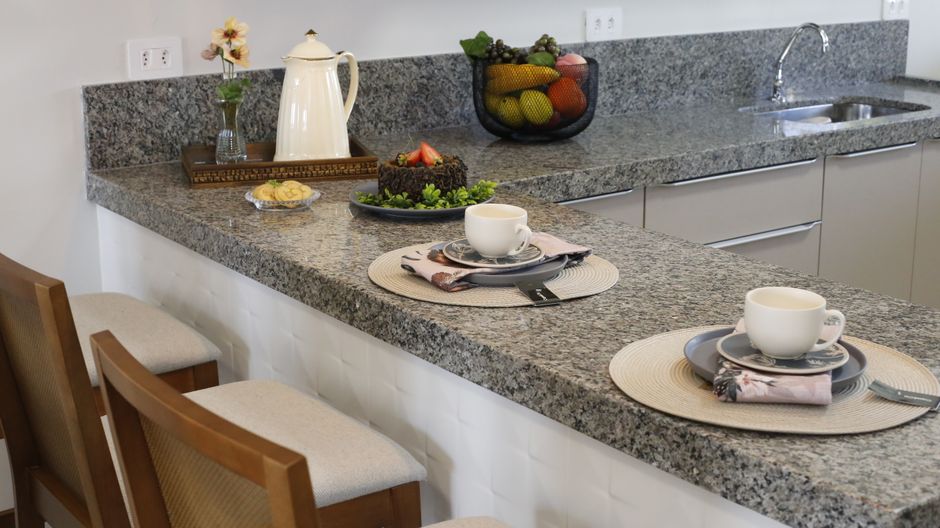
Slabs are stood on an A-frame rack or laid out on the shop floor and walked past in good light. The fabricator looks for the direction of the movement, soft spots, color changes at the ends and fissures that run toward an edge. Granite from one block can vary across a bundle, so slabs are kept in the order they came off the saw. Quartzite and marble often have dramatic veining that flows along one axis, and that axis decides which wall gets the long piece.
Paper layout before the saw

The template from the kitchen is traced onto a sheet or entered into cutting software, then moved around a picture of the slab. A sink cutout should not land on a heavy vein or a fissure if it can be avoided, because that is where the stone is weakest. The shop also tries to keep the front edge clear of flaws, since the edge profile is shaped there and a hidden crack will show up during polishing.
Matching veins across a seam
Two adjoining pieces are cut from the same area of the slab, one after the other, so the veins line up as they did before the saw. This is called book matching when the pieces mirror each other and sequential matching when the pattern simply continues. A waterfall edge on an island needs the mitered return cut from the stone right beside the top, otherwise the pattern jumps at the corner. Seam placement is chosen at the point where the pattern is quietest, and that is often not where the cabinet layout would suggest.
Remnants and leftover pieces
A remnant from a larger job can suit a vanity or a small bar top, and it works for a pantry counter where the pattern does not have to meet anything else. For a main kitchen, a remnant seldom has the length to carry a continuous look. Quartz and porcelain have a repeating pattern that makes matching simpler, while soapstone and solid surface change less from slab to slab, so their layouts are mostly about yield and seam position.
The last check on the table
Before cutting, the template is set over the real slab and compared once more with the layout drawing. Marker lines go on the stone for every cut, every cutout and every seam edge. Any change of mind is cheap at that point and expensive once the bridge saw or water jet has started, because a cut slab cannot be put back together.