Cutting Sink and Cooktop Openings in Stone
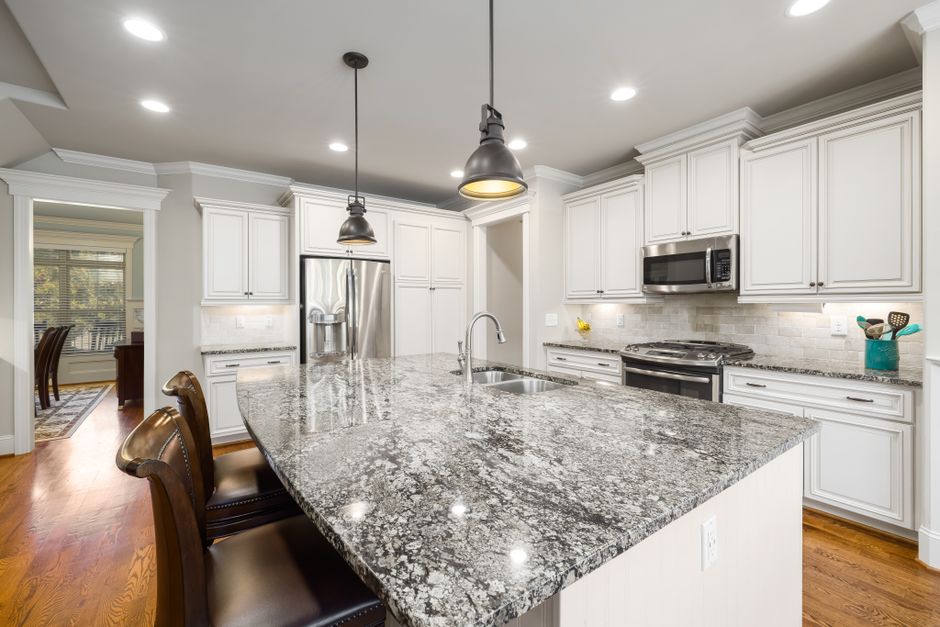
Three quarters of an inch of stone is a common amount left between the front edge of a counter and the front of a sink cutout, and that narrow strip carries the weight of the whole opening during handling. The figures kept at custom countertops austin tx theo lawrence books treat every cutout as the weak point of a countertop, so a custom job in Austin, TX gets its openings planned before the slab is touched.
Why the corners are rounded
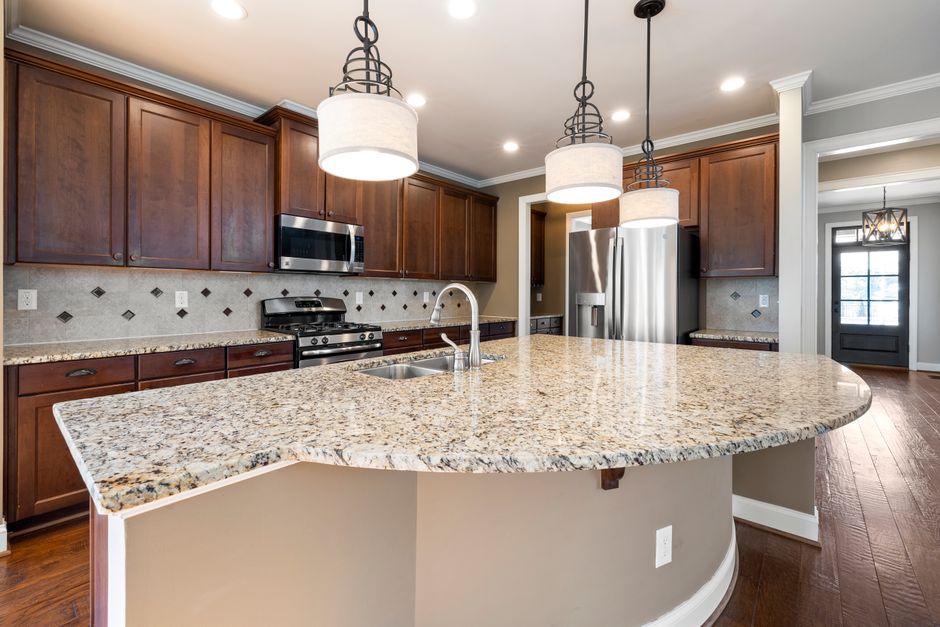
A sharp inside corner concentrates stress. A crack starts from a square corner the way a tear starts from a notch in paper, and heat from a pot or settling of the cabinet can finish the job years later. Fabricators cut a radius at each corner, usually by drilling it first and then sweeping the saw or water jet between the drill holes. A larger radius is stronger, but an undermount sink with tight corners needs a tighter radius, so the sink itself is checked against the pattern before the cut is final.
The strip at the front of the sink
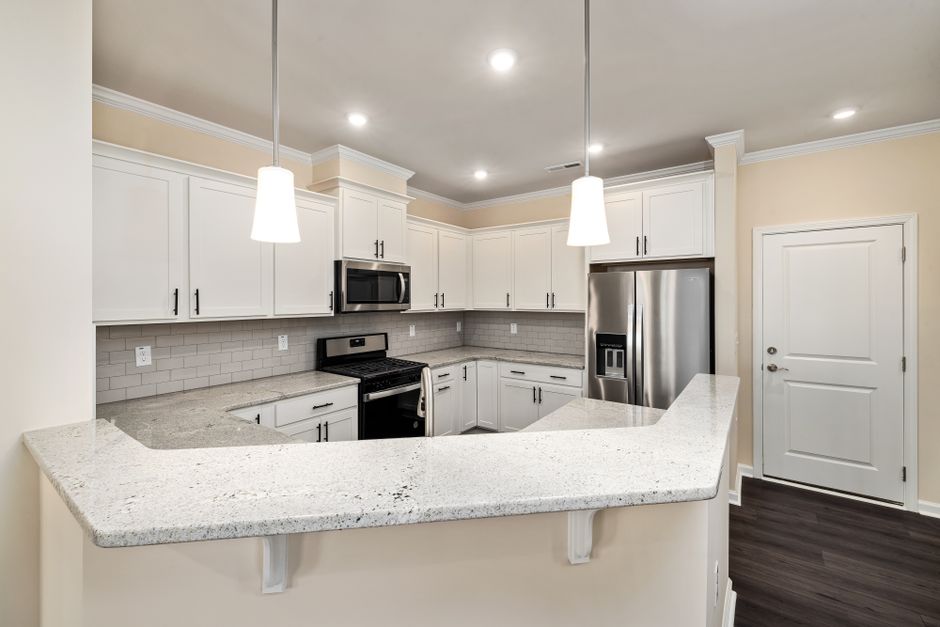
Granite, quartz, quartzite and marble all handle best when the thin sections are supported. The strip at the front of a cutout is lifted by the sides, never the middle, and often a wood brace or a strip of stone is left in the opening until the top is on the cabinets. Once set, the cabinet frame holds it. Cracks seen at install usually trace back to a strip that was gripped, a corner that was dropped or a slab carried flat instead of on edge.
Undermount versus drop-in
An undermount sink hangs below the stone, so the cutout edge is exposed and has to be polished by hand with diamond pads. A drop-in has a rim that hides the cut, and the opening can be left a little rougher. Solid surface and laminate tops can have a routed edge, while stone needs the edge polished. The faucet holes are drilled in the same stage, with a core bit and running water, using the spacing printed on the fixture.
Cooktops and ranges
A cooktop opening has two rules: the maker's clearance from the wall and cabinet, and enough stone left around it. A slide-in range needs no cutout at all. A drop-in cooktop is cut to the paper pattern that comes in the box, never copied from a similar model, and the opening stays well away from a seam. Moving it a few inches along the slab can avoid a fissure, so the layout is checked against the stone before the saw runs.
Test fit in the shop
Sinks and cooktops are dry fit whenever the shop has them in hand. A fit that is off by an eighth of an inch is easy to fix on the table and a headache in the house, where the top is already heavy, hot in summer and sitting on the cabinets.