Where Countertop Seams Go and How They Are Made
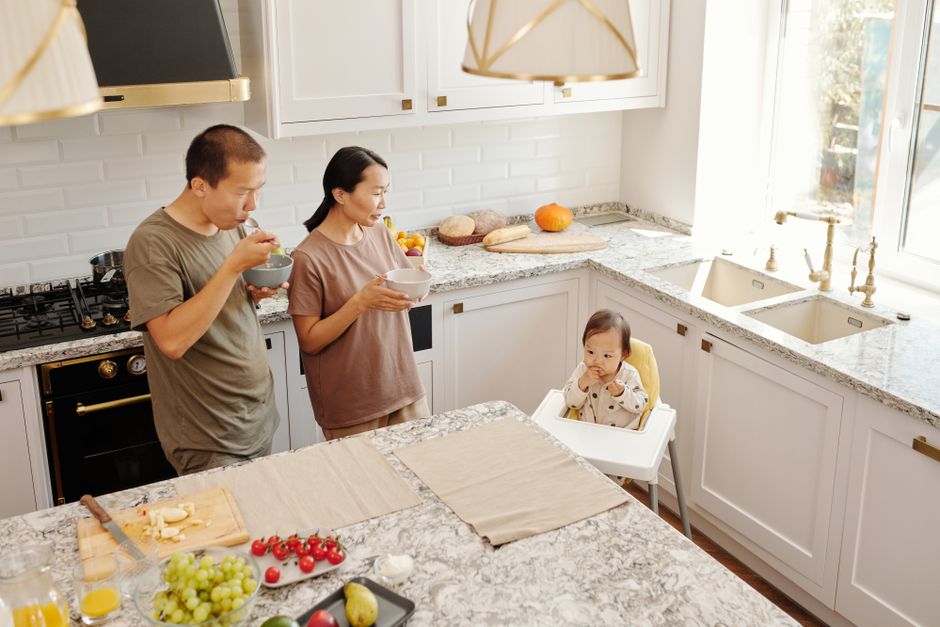
The seam is supposed to disappear, yet on many kitchens it does not, because it was put in the wrong place or closed on a cabinet that was not level. The breakdown sitting on custom countertops austin tx theo lawrence books lists the usual places in order, since the countertop in an Austin, TX kitchen is rarely shorter than one slab.
Where seams usually go
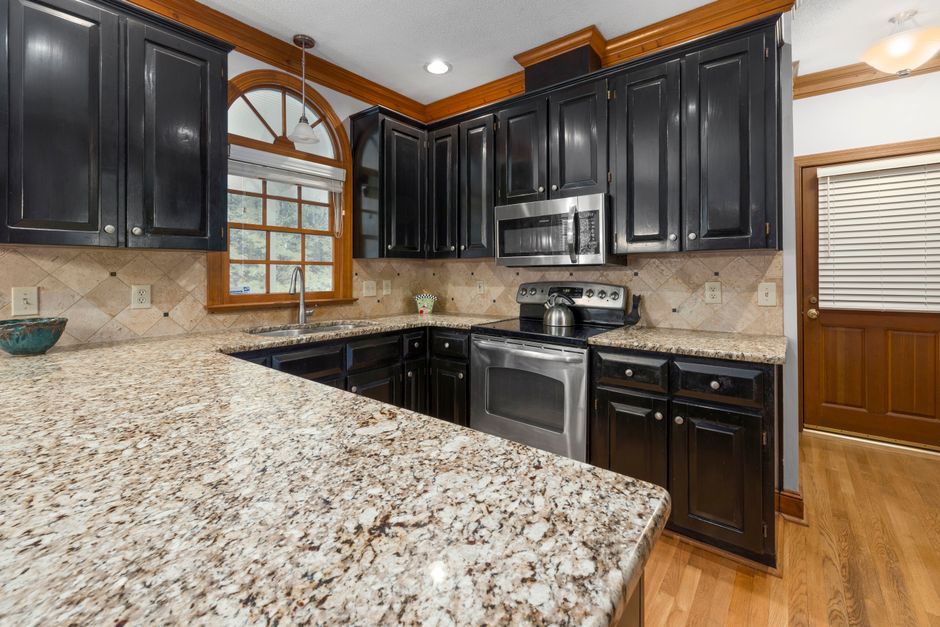
An L-shaped kitchen has an inside corner, and the seam is commonly set a few inches off that corner on one leg, not in the corner itself. A one-piece L-shaped top has a notch that can snap in transit. A straight run longer than the slab is joined near the middle of the span, away from the sink and from the cooktop. Seam placement also follows the cabinet below, so the joint sits over a solid support and not above a gap between doors.
Keeping seams away from openings
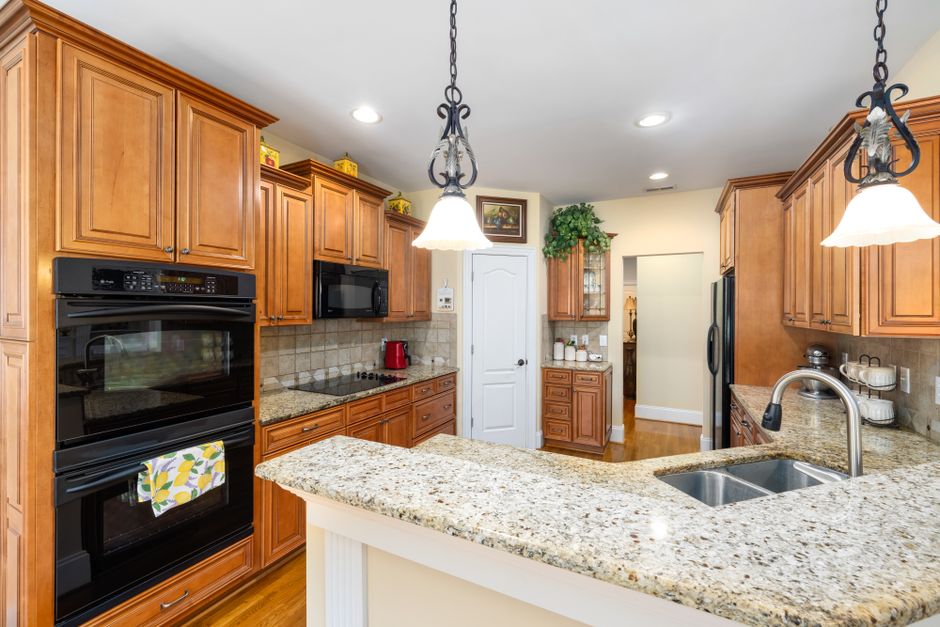
A sink cutout is the thinnest and most stressed part of a top. A seam through the strip at the front of an undermount sink is asking for a crack, so the fabricator looks for a joint that lands a hand width or more from the opening. The same rule applies to a cooktop, because heat expands the stone and works at a joint. Granite and quartz both take a seam well when the supports are right, while marble and soapstone show a joint more.
Making the joint
The two cut faces are ground square at the shop and checked for gaps. On site, the cabinet tops are shimmed, the first piece is set, and the second is brought up to it with the edges leveled so the surface is flush to the touch. A color-matched adhesive, usually a two part epoxy or polyester resin tinted to the stone, is worked into the joint. Clamps or suction cups pull the faces together until the resin firms up.
Cleanup and the finish
Once the joint has set, excess is shaved off with a single-edge blade held flat, then the area is buffed. A seam on a bullnose or an eased edge is the hardest to hide, because the edge profile has to run through the joint in one unbroken curve. A waterfall edge on an island is joined at a miter, and that corner is glued with the pattern lined up first.
Heat and movement
Austin summers run long and hot, with highs of ninety degrees or more on over one hundred twenty days a year, and a house closed up in August sits very differently from the same house in February. Stone and cabinets move a little with it. Seams need stable support under them, and a joint that was tight at install can open slightly if the cabinet below was never leveled, which is common on the clay soils east of the Balcones Fault.