Edge Profiles and Polishing in the Shop
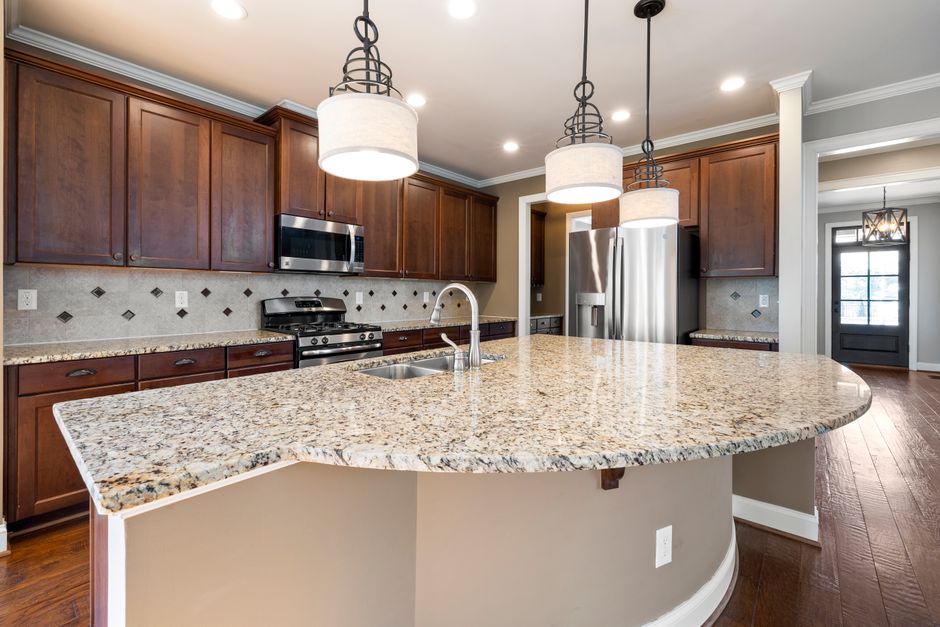
A sharp square edge looks clean in the showroom, yet it is the first part of a countertop to chip in a busy kitchen. The breakdown sitting on custom countertops austin tx theo lawrence books runs through the profiles in the order the shop cuts them, for custom countertops in Austin, TX and anywhere else the stone has to survive a crowded household.
The common profiles
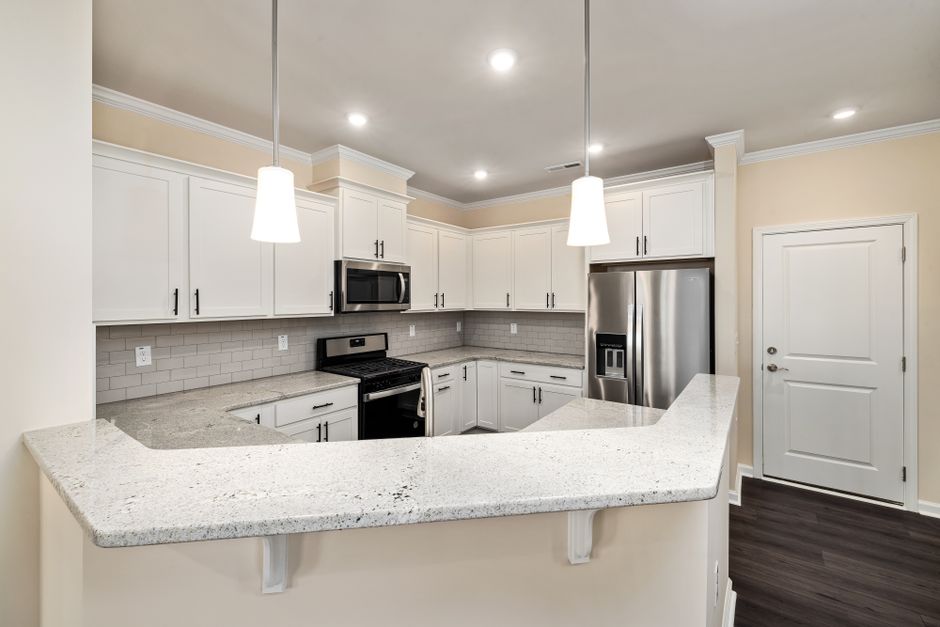
An eased edge has a small rounded corner, just enough to take the sharpness off, and it is the plainest and least likely to chip. A bullnose rounds the whole top edge into a half circle, which is forgiving where children or tight walkways are involved. An ogee has an S-shaped curve and suits traditional kitchens, though the grooves collect grime. A mitered edge joins two pieces at forty five degrees to make a thick-looking front, and a waterfall edge carries the stone straight down the side of an island.
How the profile is cut
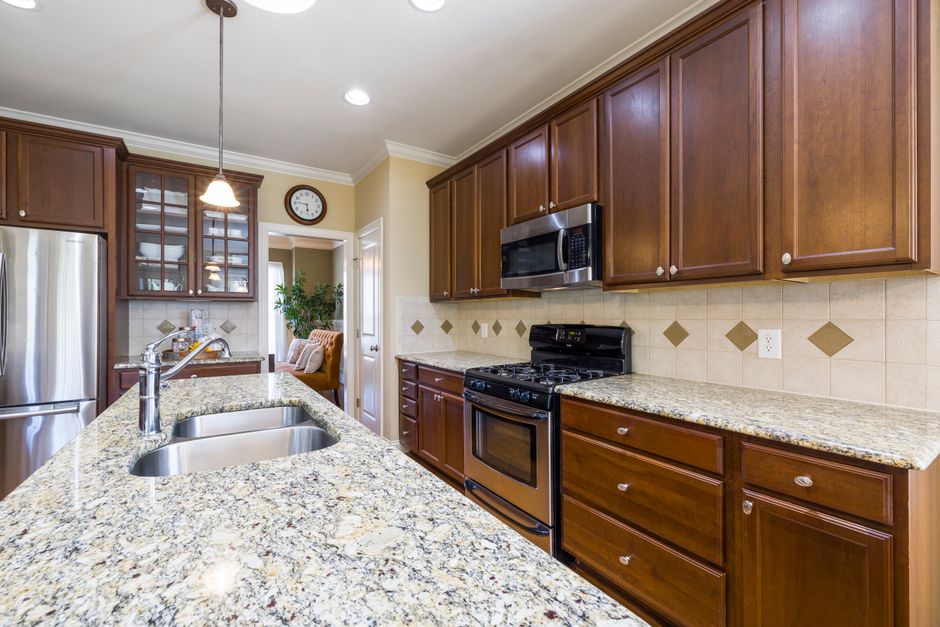
A router with a profiled diamond wheel runs along the edge on a CNC machine, or a fabricator works it by hand with a grinder. Machines cut the same shape every time. Hand work is slower and used for odd corners, curved pieces and sink cutout edges that the machine cannot reach. Marble and soapstone cut easily, while granite and quartzite wear through tooling faster.
Polishing in steps
After cutting, the edge carries tool marks. Diamond pads of increasing fineness, with water running, take those marks out step by step, starting coarse and finishing with a buffing pad. Skipping a step leaves scratches that show in raking light. Quartz needs a careful touch because the resin heats and can smear, and solid surface is sanded rather than polished the same way. Laminate has no polished edge, and butcher block is sanded and oiled instead.
Which edges chip and which collect grime
Corners chip when something heavy hits them, so a pot swinging against a square corner or a chair dragged into an overhang leaves the damage. Rounded edges spread the impact. Deep grooves on an ogee hold cooking splatter and need a brush. A plain eased edge or a bullnose wipes clean in one pass, which matters in a kitchen where the family cooks all week and the dishcloth is the only tool in reach.
Built-up edges and thickness
An edge can be built up with a second strip glued under the top to give a thick look at the front. The seam where the strip meets the top is lined up and polished so it reads as one piece, and the profile is then shaped on the combined edge. A built-up front on a long slab adds weight, which the cabinets and the carrying crew both have to account for before the top leaves the shop.